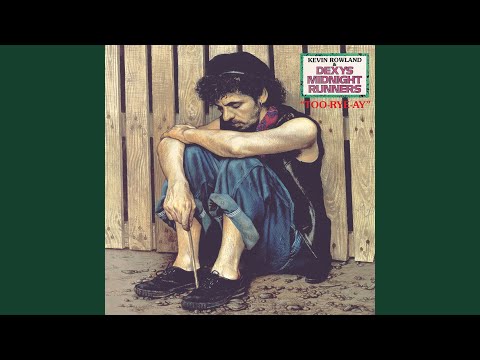
I remember the first time I ever heard this song. My mom was driving me and my friend Z to another friend’s house when it came on the radio. I immediately asked her to change it and both my friend and my mom were surprised that I’d never heard it before. This took place during my freshmen year of high school, and after I heard this song once, it followed me everywhere. By Cinco de Mayo, my friends and I were singing and dancing to this song in the kitchen and I will forever think of this moment when I hear this song. It followed me throughout high school and even into college. One of my other friends, also named Caroline, had a dance to this song where you do the box step as the song speeds up during the final bridge. I remember learning it with her at her high school graduation and both of us bringing it to the Windfall dance floor. Also, irrelevant side note, there was a young camper named Eileen at my camp, and I asked her if she was named after this song, and she rolled her eyes at me as if she had heard this question a million times.
Behind the Lyrics:
The greatest one-hit wonder of the 80s? I don’t know, I would not be mad if this was my only song that made it big considering it is still relevant today. Kevin Rowland, the lead singer, grew up going to a Catholic church where sex was a taboo subject and considered “dirty.” This song was a way for him to escape the strong beliefs of his social world. Although there was never an actual Eileen, Rowland told Melody Maker that there was a girl he fantasized about who went to church with him. On the other hand, the song is also hinting at the generational differences between himself and his parents. In the iconic opening line of the song, the reference to Johnny Ray sets the scene about how “our mothers cried” instead of his peers who didn’t understand what the hype was about. In the song, he is straightforward in telling Eileen his feelings, which represents the catholic guilt he experiences from trying not to express these feelings. He then realizes her trepidation that she’s scared they will turn into their parents who are “beaten down” from being stuck in a repetitive life cycle. He responds by saying they are “far too young and clever” to fall into that trap. Therefore, the hidden meaning of the song is actually about young people trying to create their own path free from authority figures and not subject themselves to the same fate. For me, all that plays in my head when I hear this message is “This Be the Verse” by Philip Larkin.
 Listen with Lainie
Leave a comment